

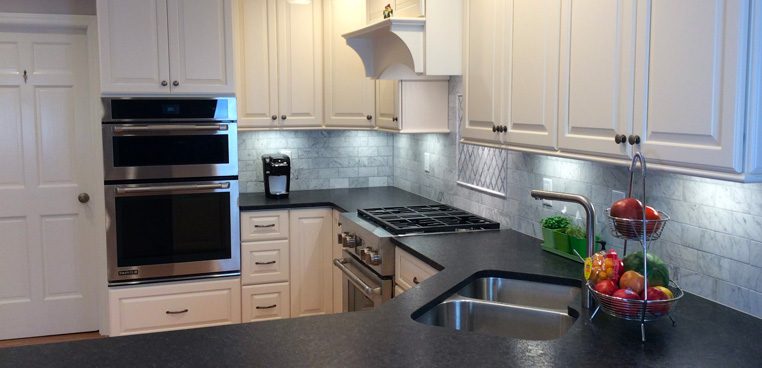
Your kitchen should be more than just a beautiful space. Iit should be a reflection of how you actually cook and live. Whether you’re someone who whips up quick weeknight dinners or spends hours perfecting elaborate weekend feasts, the right kitchen design can transform your culinary experience from frustrating to fantastic.
The key lies in honest self-assessment. Before you get swept away by gorgeous magazine photos or the latest design trends, take a step back and think about your real cooking habits. Do you batch prep meals on Sundays? Are you always entertaining friends? Do you prefer one-pot wonders or multi-course adventures? The answers to these questions should drive every design decision you make.
The Quick and Casual Cook
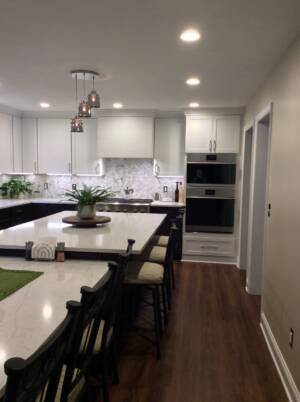 If you’re someone who values speed and efficiency above all else, your kitchen design should prioritize streamlined workflow and easy cleanup. You don’t need a massive island or professional-grade equipment, you need smart storage and appliances that work as hard as you do.
Start with your appliance selection. A quality microwave positioned at an accessible height becomes your best friend for reheating leftovers and quick cooking tasks. Consider a combination microwave-convection oven to save counter space while adding versatility. Your refrigerator should offer easy visibility and quick access, models with drawer-style freezers and adjustable shelving work particularly well for grab-and-go meal prep.
Counter space is crucial, but it doesn’t need to be endless. Focus on having clear zones near your sink, refrigerator, and primary cooking surface. A small prep area with a cutting board that fits over your sink can double your workspace when needed. Keep your most-used items, salt, pepper, olive oil, frequently used utensils, within arm’s reach of your stove.
Storage solutions should emphasize accessibility over capacity. Shallow drawers with dividers keep cooking utensils organized and visible. Pull-out pantry shelves ensure you can actually see what you have, preventing duplicate purchases and food waste. Consider a spice rack or drawer system that allows you to see all your seasonings at once.
The Passionate Home Chef
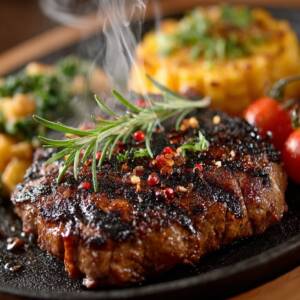 If cooking is your creative outlet and you love experimenting with new techniques and flavors, your kitchen needs to support culinary ambition. This means investing in quality surfaces, ample storage, and appliances that can handle serious cooking demands.
Your cooktop deserves special attention. Gas burners offer precise temperature control that serious cooks appreciate, though high-end induction surfaces are gaining popularity for their responsiveness and safety features. Consider the number of burners you actually need, many home chefs find that four high-quality burners serve them better than six mediocre ones.
Counter space becomes non-negotiable when you’re working with multiple ingredients and techniques simultaneously. Plan for at least one large, uninterrupted work surface where you can roll out pastry, arrange mise en place, or carve a large roast. Natural stone surfaces like granite or quartz offer durability and heat resistance, though butcher block can provide a warm, workable surface for serious prep work.
Storage needs expand dramatically when you’re collecting specialty tools and ingredients. Deep drawers can accommodate stand mixers and food processors, while adjustable shelving adapts to changing storage needs. Consider dedicated storage for baking sheets, cutting boards, and small appliances you use regularly but don’t want cluttering your counters.
Ventilation becomes critical when you’re searing, sautéing, and working with aromatic ingredients regularly. Invest in a range hood that can actually handle the heat and smoke your cooking produces, underpowered ventilation systems leave you with lingering odors and greasy surfaces.
The Social Entertainer
 When your kitchen doubles as party central, design decisions should facilitate both cooking and socializing. Your space needs to accommodate multiple people comfortably while keeping the cook connected to guests and family members.
The kitchen island becomes your command center. Size it to allow comfortable seating on one side while providing workspace on the other. Consider the sight lines carefully, you want to be able to chat with guests while chopping vegetables, but you also need easy access to your stove, sink, and refrigerator without asking people to move constantly.
Lighting plays a crucial role in creating atmosphere while maintaining functionality. Layer your lighting with ambient options for entertaining, task lighting for cooking, and accent lighting to highlight architectural features or display areas. Dimmer switches allow you to adjust the mood as the evening progresses.
Storage should accommodate both everyday cooking needs and entertaining essentials. Plan for serving pieces, extra dishware, and glassware. A butler’s pantry or dedicated beverage station can keep party supplies organized and easily accessible without cluttering your main workspace.
Consider traffic flow carefully. Multiple access points to your kitchen prevent bottlenecks when several people are helping with meal preparation or cleanup. Wide walkways and strategically placed landing zones for food and drinks keep the space functional even when it’s full of people.
The Health-Conscious Cook

If fresh, wholesome meals are your priority, your kitchen should support healthy cooking methods and ingredient storage. This often means emphasizing fresh ingredient prep, steaming and grilling capabilities, and storage that keeps produce at its peak.
Appliance selection should reflect your cooking methods. A high-quality steamer, either built-in or countertop, opens up healthy cooking possibilities. Consider a grill pan or indoor grilling surface for lean protein preparation. Your blender or food processor might see heavy use for smoothies, homemade nut butters, and vegetable-based sauces.
Refrigerator and pantry organization becomes crucial when you’re working with lots of fresh ingredients. Crisper drawers with humidity controls keep vegetables fresh longer. Clear storage containers help you monitor your healthy staples and prevent waste. Consider dedicated space for sprouting jars or herb gardens if you’re interested in growing your own microgreens.
Your prep area should be generous and well-lit, since you’ll likely be doing more chopping, dicing, and assembling than someone who relies heavily on processed foods. Easy-to-clean surfaces are essential when you’re working with raw proteins and fresh produce regularly.
Adapting Layouts to Cooking Styles
The physical layout of your kitchen should reflect how you move through cooking tasks. The classic work triangle, connecting sink, stove, and refrigerator, still makes sense, but modern cooking often requires more nuanced zone planning.
Essential Kitchen Zones:
- Prep zone: Counter space with good lighting, near sink and storage for knives and cutting boards
- Cooking zone: Cooktop, oven, and immediate storage for pots, pans, and cooking utensils
- Cleaning zone: Sink, dishwasher, and storage for cleaning supplies
- Storage zones: Refrigerator, pantry, and cabinets organized by frequency of use
The galley layout works well for efficient cooks who primarily work alone. Two parallel counters create a natural workflow without wasted steps. L-shaped kitchens offer flexibility for both solo cooking and entertaining, while U-shaped designs provide maximum storage and counter space for serious cooks.
Open-concept designs support social cooking but require careful planning to prevent kitchen messes from overwhelming adjacent living spaces. Consider partial walls or islands that maintain connection while providing some separation.
Budget-Smart Design Choices
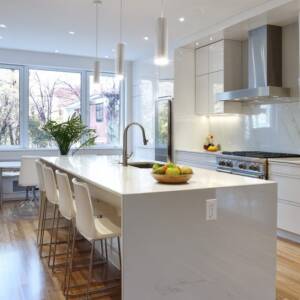 Creating a great kitchen that truly works for your cooking style doesn’t require unlimited funds, but it does require strategic spending. Invest your budget in the elements you’ll use most frequently, and look for creative solutions in areas that matter less to your specific cooking habits.
If you’re a casual cook, spend money on quality appliances and save on elaborate storage systems you won’t fully utilize. Passionate cooks should prioritize professional-grade surfaces and ventilation, even if it means choosing simpler cabinet styles. Social entertainers benefit from investing in lighting and layout over high-end appliances they might use infrequently.
Consider which elements you can upgrade over time. Starting with quality cabinets and good bones allows you to upgrade appliances, hardware, and finishes as your budget permits. Good planning ensures these future improvements will integrate seamlessly with your original design.
Making It Personal
 The most functional kitchen is one that reflects your actual lifestyle, not an idealized version of how you think you should cook. If you’re honest about your habits and priorities, you can create a space that truly enhances your daily experience.
Pay attention to the small details that make a big difference. The height of your counters, the swing of your cabinet doors, the placement of electrical outlets, these seemingly minor elements significantly impact how comfortable and efficient your kitchen feels in daily use.
Remember that kitchen design is highly personal. What works beautifully for your neighbor might be completely wrong for your cooking style. Trust your instincts about how you actually use your space, and don’t be swayed by trends that don’t align with your real needs.
Creating a kitchen that truly works for your cooking style requires careful planning, honest self-assessment, and strategic design choices. Whether you’re planning a complete renovation or making targeted improvements, focusing on how you actually cook, rather than how you think you should cook, will result in a space that serves you well for years to come. At Nelson Kitchen & Bath, we specialize in creating custom kitchen and bathroom remodels that reflect your unique lifestyle and cooking preferences, ensuring your new space works as beautifully as it looks.
